Book your holiday for 2027 now to get the special discounted offer. No payments need until 2027


Sigiriya: The Timeless Lion Rock Fortress of Sri Lanka
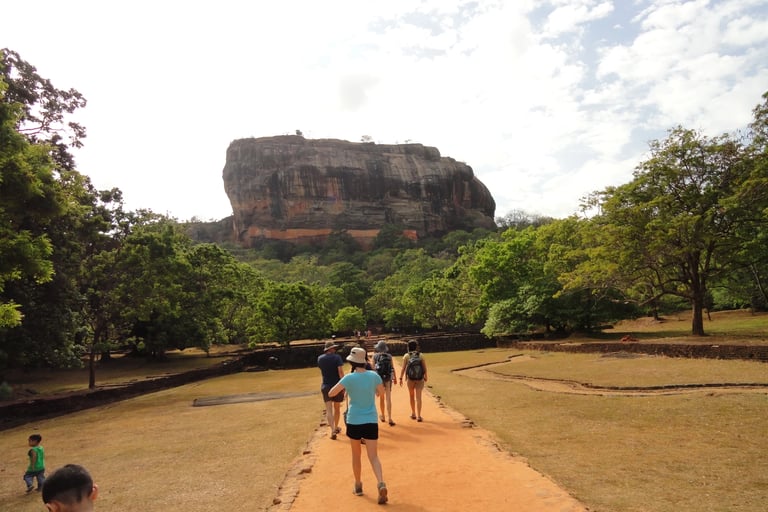
Rising dramatically from the heart of Sri Lanka’s central plains, Sigiriya—often called the Lion Rock—is one of the most extraordinary archaeological sites in Asia. Its towering presence, ancient engineering marvels, and breathtaking artistic heritage make it a destination that captivates both history lovers and modern-day explorers. Declared a UNESCO World Heritage Site in 1982, Sigiriya is far more than a rock fortress; it is a window into a sophisticated ancient kingdom, a masterpiece of urban planning, and a symbol of Sri Lanka’s cultural identity.
Lanka Holiday Guide (Pvt) Ltd
6/20/20264 min read
A Fortress in the Sky: The Story of King Kashyapa
The origins of Sigiriya are inseparable from the dramatic story of King Kashyapa I, who ruled from 477–495 CE. According to historical accounts, Kashyapa seized the throne after overthrowing his father, King Dhatusena. Fearing retaliation from his brother Moggallana—the rightful heir—Kashyapa sought refuge in the central plains and transformed the towering monolith into an impregnable royal citadel. The rock rises about 180 metres above the surrounding plains, offering natural protection and sweeping visibility in all directions.
At the summit, Kashyapa built a magnificent palace complex, complete with royal chambers, gardens, and defensive structures. The palace was designed in the shape of a monumental lion, symbolising power and authority. Today, only the colossal lion’s paws remain, guarding the final ascent to the summit. Visitors still climb through these paws—one of the most iconic features of Sigiriya—to reach the top.
The Mastery of Ancient Urban Planning
Sigiriya is celebrated not only for its dramatic setting but also for its advanced urban planning and hydraulic engineering, which were centuries ahead of their time. The site features a sophisticated layout of water gardens, fountains, ponds, and moats, all arranged with geometric precision. These gardens—considered among the oldest landscaped gardens in the world—demonstrate a deep understanding of symmetry, water pressure, and aesthetic design.
The Water Gardens are particularly impressive. Even today, during the rainy season, the ancient fountains still function, powered entirely by natural pressure systems engineered over 1,500 years ago. This remarkable feat highlights the ingenuity of the ancient Sinhalese civilisation and their mastery of hydraulic technology.
The Sigiriya Frescoes: Celestial Maidens of the Rock
One of the most enchanting features of Sigiriya is its collection of frescoes, painted on the western face of the rock. These vibrant murals depict apsaras—celestial maidens—adorned with delicate jewellery, graceful expressions, and flowing garments. Although only 21 frescoes survive today, they remain a testament to the artistic brilliance of the 5th century.
The colours, preserved through centuries of exposure, still glow with warmth and elegance. The frescoes are believed to represent divine beings, royal attendants, or symbolic embodiments of feminine beauty. Their style is unique in South Asian art, blending naturalism with spiritual symbolism.
The Mirror Wall: Voices from the Past
Halfway up the rock lies the Mirror Wall, once polished so perfectly that the king could see his reflection as he walked alongside it. Over the centuries, visitors etched poems, verses, and reflections onto the wall—creating one of the oldest known collections of ancient Sinhala graffiti. These inscriptions, dating from the 7th to 11th centuries, offer a rare glimpse into the emotions and impressions of early travellers.
Some verses praise the beauty of the frescoes, while others describe the awe inspired by the climb and the landscape. Together, they form a living archive of Sri Lanka’s literary heritage.
The Summit: Ruins of a Sky Palace
The final ascent to the summit is both exhilarating and rewarding. As you climb through the lion’s paws and ascend the final staircases, the landscape opens into a vast plateau where the ruins of Kashyapa’s sky palace still stand. The summit covers several acres and includes remnants of royal chambers, bathing pools, throne-like structures, and defensive walls.
From the top, the panoramic views stretch across lush forests, lakes, and distant mountains—an unforgettable sight that makes the climb worthwhile. The summit also reveals the strategic brilliance of the fortress: from this height, Kashyapa could monitor any approaching threat long before it reached the base.
After the Fall: From Royal Citadel to Buddhist Monastery
Kashyapa’s reign ended in 495 CE when he was defeated by his brother Moggallana. After his death, Sigiriya was abandoned as a royal residence and gradually transformed into a Buddhist monastery, a role it continued to serve for several centuries. The site became a place of meditation, pilgrimage, and spiritual retreat, blending its royal past with religious significance.
Why Sigiriya Matters Today
Sigiriya is more than an archaeological wonder—it is a symbol of Sri Lanka’s cultural resilience and artistic heritage. Its significance lies in:
Architectural innovation: The combination of natural rock formations and human-made structures is unparalleled.
Artistic excellence: The frescoes remain among the finest examples of ancient Sri Lankan art.
Historical insight: The site reflects political intrigue, royal ambition, and the evolution of early Sinhala civilisation.
Tourism and identity: Sigiriya is one of Sri Lanka’s most visited attractions, drawing travellers from around the world.
Its designation as a UNESCO World Heritage Site underscores its global importance and ensures its preservation for future generations.
Exploring Sigiriya Today: A Visitor’s Experience
For modern travellers, visiting Sigiriya is both an adventure and a journey into the past. The climb typically takes 1.5 to 2 hours, depending on fitness level and crowd size. The best time to visit is during the dry season from December to April, when the weather is cooler and the views are clearer.
Comfortable shoes, water, sunscreen, and a hat are essential, as the climb can be steep and exposed to the sun. Families with children can also enjoy the experience, though supervision is recommended due to narrow stairways.
Hiring a licensed guide can greatly enhance your visit, offering deeper insights into the history, symbolism, and engineering marvels of the site.
Nearby Attractions Worth Visiting
Travellers exploring Sigiriya often combine their visit with nearby cultural and natural attractions, such as:
Dambulla Cave Temple – A UNESCO-listed complex of rock temples filled with ancient murals and Buddha statues.
Pidurangala Rock – A popular alternative climb offering stunning views of Sigiriya itself.
Minneriya National Park – Famous for the annual elephant gathering.
Habarana Village – Ideal for nature walks, lake tours, and cultural experiences.
These destinations complement the Sigiriya experience, making the region one of Sri Lanka’s most rewarding travel hubs.
Sigiriya’s Enduring Legacy
Today, Sigiriya stands as a testament to human creativity, ambition, and resilience. Its blend of natural beauty and ancient ingenuity continues to inspire travellers, historians, and artists alike. Whether you are drawn by its dramatic history, its artistic treasures, or the thrill of the climb, Sigiriya promises an experience that lingers long after you leave.
For Sri Lanka, Sigiriya is not just a monument—it is a national treasure, a symbol of identity, and a reminder of a civilisation that flourished with remarkable sophistication.