Book your holiday for 2027 now to get the special discounted offer. No payments need until 2027


Animal Welfare & Integrity: How to Choose Ethical Wildlife and Elephant Encounters in Sri Lanka
Blog post description.
7/3/20262 min read

Introduction:
Sri Lanka is frequently heralded as the 'Galapagos of Asia' due to its incredible biodiversity. Seeing a majestic Asian elephant in the wild or watching a blue whale breach the surface of the Indian Ocean are high on many bucket lists. However, as demand for these encounters grows, discerning travellers are increasingly seeking bespoke Sri Lanka experiences that prioritise animal welfare, conservation, and deep environmental integrity over commercialised exploitation.
The Truth About Elephant Tourism: Wild vs. Captive.
The elephant holds a sacred place in Sri Lankan culture, yet its status in tourism requires careful navigation. To ensure your visit supports genuine conservation, it is important to understand the distinction between captive encounters and wild observations.
Say No to Riding and Chains: Ethical travel experts strongly advise against visiting venues that offer elephant rides, performances, or show animals in chains. These practices do not align with modern conservation or animal welfare standards.
Choose National Parks for Genuine Encounters: The most profound way to experience these gentle giants is in their natural habitat. Witnessing "The Gathering" in Minneriya National Park—where hundreds of wild elephants congregate around an ancient reservoir during the dry season—is an unforgettable, non-intrusive wildlife spectacle.
Identifying an Ethical Wildlife Safari
When booking a private safari through national parks like Yala, Wilpattu, or Udawalawe, the choices made behind the scenes matter. A premium, responsible tour operator ensures that your experience respects the wildlife:
Respectful Distances: Your naturalist guide and driver should always keep a respectful distance from the animals, cutting the engine when observing wildlife to minimise noise pollution.
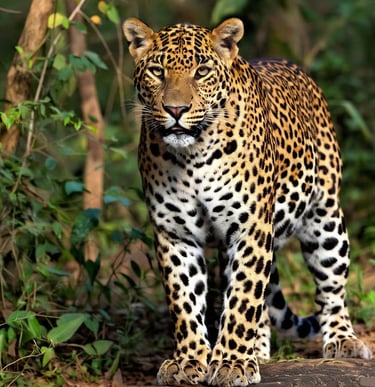
No Chasing or Crowding: Ethical operators avoid rushing toward an animal sighting or crowding a single leopard with multiple vehicles, ensuring the park's inhabitants remain unstressed.
Support for Local Conservation: True luxury experiences partner with local rangers and community-led conservation initiatives, funnelling tourism revenue directly back into habitat protection.
Marine Conservation: Responsible Whale and Dolphin Watching
Off the coasts of Mirissa and Trincomalee, marine safaris offer a glimpse into the world of blue whales and spinner dolphins. An ethical marine experience utilises coastguard-approved vessels that approach marine mammals at low speeds from a parallel angle, never cutting off their path of travel or allowing passengers to swim with wild cetaceans in a disruptive manner.
By opting for mindfully curated, low-impact wildlife encounters, you ensure that your journey actively contributes to preserving Sri Lanka’s natural heritage for generations to come.
Travel with Impact. We believe true luxury cannot exist without responsibility. Let us curate an ethical, low-impact wildlife itinerary tailored specifically for you.Explore Our Sustainable Experiences